
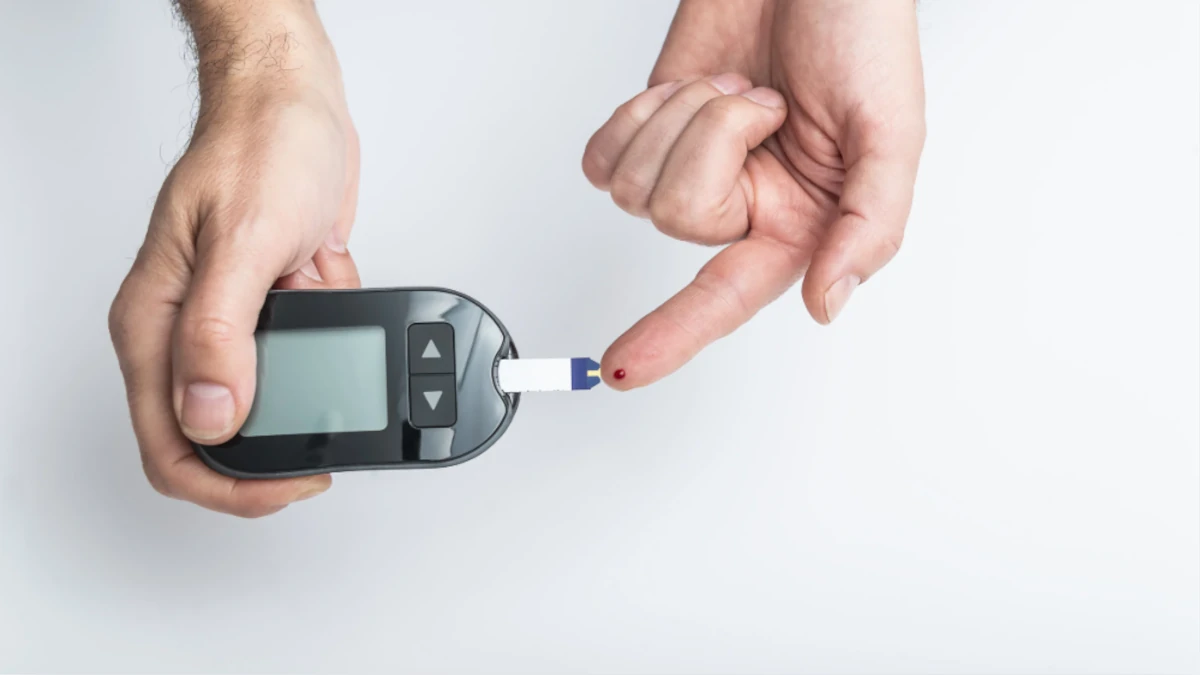
I was born in 1984, and at 41 years old, I’ve decided to stop guessing about my health. Standing at 5’5″ and weighing 77 kg, my BMI is 28.3—putting me in the overweight category. But numbers on a scale don’t tell the whole story. I want to see what’s happening in my blood.
This is why I started the Daily Glucose Journal. To get the most accurate data possible, I’ve committed to a strict daily ritual before I even touch my glucometer. Here is exactly how I prepare for every test.
The 15-Hour “Clean Slate”
I don’t just wake up and eat. To ensure that my previous day’s meals aren’t “bleeding into” today’s results, I follow a strict 14 to 15-hour fast.
If my last meal was at 6:00 PM, I won’t perform my food test until at least 9:00 AM the next day. This ensures my Fasting Blood Sugar (FBS) is at its true baseline. Every log you see on this site starts with this “Clean Slate” fasting period.
Phase 1: The Baseline Series (Months 1-3)
Before I start testing complex meals like Sinigang or Jollibee value meals, I am entering a Baseline Phase.
For the next few months, I will be eating only one kind of food per test. No toppings, no sauces, no side dishes. If I’m testing white rice, I will eat exactly 100g of plain white rice and nothing else.
Why do this? I need to know how my body reacts to the “building blocks” of the Filipino diet first. If I eat Rice and Adobo together and my sugar spikes, I won’t know if it was the rice or the sugar in the Adobo sauce. By testing staples individually first, I am building a personal database of “safe” and “danger” foods.
My Daily Testing Protocol
Every morning, my routine follows these exact steps:
- The Fasting Prick: I take my blood sugar immediately after my 15-hour fast. This is my “Point Zero.”
- The Weigh-In: I weigh the specific food item (e.g., 100g of white rice or 1 piece of Pandesal) on a digital scale for 100% accuracy.
- The Consumption: I eat the food within a 10-minute window.
- The Timer: I set alarms for the 60-minute and 120-minute marks.
- Data Entry: I record the results, how I felt (energy levels, brain fog), and any physical activity I did.
Things I’m Tracking
In my research to make this journal as accurate as possible, I’ve realized that sugar levels aren’t just about food. To make my data more reliable, I will also be noting these factors in my daily logs:
- Sleep Quality: Did I sleep 8 hours or 5? Poor sleep can cause higher fasting sugar due to cortisol.
- Water Intake: Dehydration can actually make blood sugar readings appear higher because the glucose in your blood is more concentrated.
- Stress Levels: High stress can trigger a glucose spike even if I haven’t eaten a single gram of sugar.
- The “Second Meal” Effect: I’ve learned that what I ate the night before can sometimes affect how I handle breakfast the next day.
- Temperature: Surprisingly, extreme heat (very common here in the Philippines!) can sometimes affect meter accuracy or how the body processes insulin.
Why This Matters
I am doing this because I want to reach my target weight and live a long, healthy life. By documenting this faceless journey, I’m not just tracking numbers; I’m reclaiming my health through data.
If you’re a Filipino born in the 80s like me, or if you’re just curious about how our local food affects the body, I invite you to follow along. Let’s see what the meter says.